Do you really need to serve your “mobile” visitors a different layout based on your current content?
Short answer: no. Like Jason Grigsby recently wrote, other tasks like optimizing performance can lead to a much better mobile experience than adapting the layout:
If you could only do one thing to prepare your desktop site for mobile and had to choose between employing media queries to make it look good on a mobile device or optimizing the site for performance, you would be better served by making the desktop site blazingly fast.
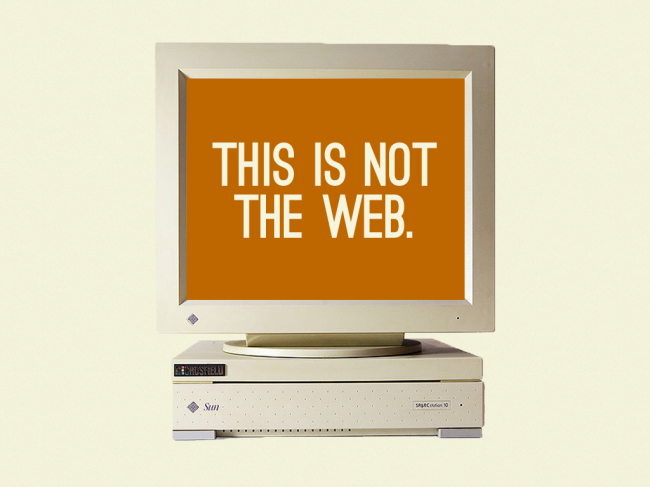
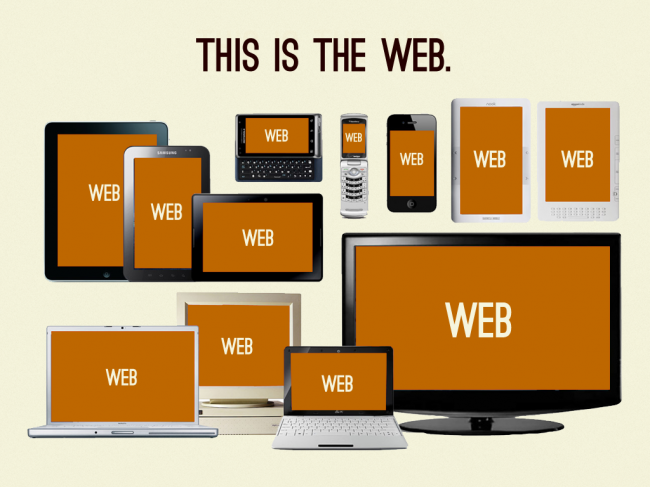
Also, Kristofer Layon's book, Mobilizing Web Sites: Develop & Design, beautifully articulates lots of techniques to make your desktop site more mobile-friendly without necessarily having to go through the responsive process. The fact is that many of these modern mobile browsers actually do a pretty good job at rendering "full" websites. So that brings us back to Alex's point: why the fuss with responsive web design? Why bother? Here's the Point Whenever I talk or present on this subject, I usually lead off with these three images: The point of creating adaptive sites is to create functional (and hopefully optimal) user experiences for a growing number of web-enabled devices and contexts. It's not because it's "the right thing to do". It's not because it's fun. It's not because it's trendy. It's not so you can impress your boss by resizing a browser window. In order to deal with all this diversity, we can no longer just cross our fingers and hope that these devices' browsers are capable enough to properly render desktop designs. We need to actively take matters into our own hands and do all we can to create more contextually-aware, flexible experiences. The desktop-only days are gone. And yes, addressing this involves adapting layouts, but it also involves addressing a ton of other stuff. Does creating a better mobile experience really matter? Yes, yes and yes. I got to help create a large brand's mobile e-commerce site. Shortly after they launch, they saw a huge jump in their conversion rates. Since then, they've invested even more resources in their mobile web presence and things are going quite well. Creating mobile-optimized sites, whether responsive, device experience, RESS, or other, is a good idea. The same goes with tablets, tvs, and other emerging contexts. Better experiences mean more conversions, more engagement and a better chance the user will walk away with a positive feeling about your brand, service or product. Sure, my client's desktop site rendered just fine on smartphones, but creating a focused experience made all the difference. Creating contextually-aware experiences is good business. Fighting the Fad Your visitors don't give a shit if your site is responsive. They don't care if it's a separate mobile site. They don't care if it's just a plain ol' desktop site. They do give a shit if they can't get done what they need to get done. They do give a shit when your site takes 20 seconds to load. They do care when interactions are awkward and broken. I recently had a lengthy discussion with a tech director here at work who was convinced that responsive design is a fad. Of course I challenged him, but as we talked I began to understand why he felt that way. So much of the talk about responsive design is about the readjustment of layout, and he felt that everyone was just trying to out-media-query each other. As we talked further, I found that we actually agreed. We're concerned with creating a good user experience and achieving content parity, regardless of technique. Yes we should be thinking flexibly. Yes we can use the principles of responsive design to achieve this. But we're not using those techniques for the hell of it. We're using them to take the experience to the next level. And just because we're utilizing those techniques doesn't mean that we can't also use server-side and other techniques to adapt the experience. There's a lot of different ways to create great experiences, and it's worth exploring anything and everything that can help get us closer to our goals. We don't need to limit ourselves to media queries. Rise Above the Hype I remember Zeldman commenting on the Future Friendly site when Scott Jehl appeared on the Big Web Show podcast (the comment is around the 31 minute mark). He thought it was funny how the site was featured on the Media Queri.es gallery site even though it was just simply a single column of text, instead of a more overtly adaptive design. That's the point! That's all that site needs to be. I'm sure we could have spent a lot of time creating a bunch of columns and bending over backwards to figure out how they would adapt with a slew of media queries. But all anyone needs to do on the site is read some words. Period. A single column of text accomplished that quite well. Don't feel like you need to include 750 media queries and jump through 100,000 hoops just so you can proclaim "Yes! My site is Grade A, Grass-fed, 100% Certified Responsive." Instead, do whatever is necessary to create a great user experience. Responsive design is the real deal. It is not a fad. It's a legitimate attempt to address the massive challenge of delivering great experiences to this explosion of devices and browsers. But don't feel like it's the end-all be-all of website construction. This aint religion. This is web design.